There’s a special kind of thrill that comes from cracking open a bottle that’s older than you are. The cork squeaks, the seal flakes, and out pours a little piece of bourbon history. That’s what we call dusty hunting — the search for old, forgotten bottles hiding in the wild.
If you’ve ever stumbled across an ancient Wild Turkey or a tax-stamped Old Grand-Dad sitting in the corner of a mom-and-pop shop, you know exactly what I’m talking about. It’s not just bourbon hunting — it’s bourbon archaeology.
Let’s dive into the dusty side of collecting: how it started, where to look, and why these old bottles mean so much to the bourbon community.
What Exactly Is a Dusty?
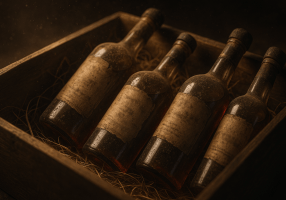
In bourbon terms, a “dusty” is an older, discontinued, or pre-modern-era bottle that’s been sitting untouched for years — sometimes decades. You’ll know one when you see it: faded labels, old tax strips, price tags from another century, and a layer of literal dust.
These bottles come from a time before bourbon’s big boom — the 1970s, ’80s, and even early ’90s — when whiskey wasn’t flying off the shelves like it is now. Back then, bourbon was cheap, overlooked, and often left behind. Today, those same bottles are liquid time capsules.
Why Hunt a Dusty?
Beyond the collectible appeal, dusties give us a taste of how bourbon used to be made. Different yeast strains, longer barrel aging, and older distilling methods all contribute to unique profiles we just don’t see today.
You’ll often hear dusty hunters describe the flavor as softer, richer, and more nuanced — less oak, more caramel, deeper vanilla. Some say the barrels were better. Others say the whiskey had more time to age because it wasn’t selling fast.
Whatever the reason, opening a dusty is like sipping straight from bourbon history — and that’s worth chasing.
The Hunt: Where to Find Dusties
If you’re serious about dusty hunting, get ready to hit the road. These bottles rarely show up online (and if they do, expect a hefty price tag). The magic happens in the small towns and side streets.
Here’s where to look:
- Mom-and-Pop Liquor Stores – Especially those that have been around for decades. Check the top shelves, the back corners, even behind newer bottles. Some owners don’t even realize what they’ve got.
- Estate Sales & Auctions – Families sometimes sell off old liquor collections, and you can score vintage gems at fair prices.
- Bars and Restaurants – Some older establishments still have unopened bottles from their original stock. Strike up a friendly conversation — you never know what’s collecting dust in their storage.
- Flea Markets or Antique Shops – Rare, but occasionally, someone clears out a cabinet and doesn’t know they’re sitting on history.
The key is curiosity and respect. Ask questions, be polite, and if you score a find, don’t brag too loudly — word travels fast in this world.
What to Look For
A few quick identifiers can help you spot a true dusty:
- Tax Stamps (used until the early 1980s)
- Distillery Numbers on the bottom label (DSP-KY-###)
- Paper Seals or Screw Caps rather than corks
- Old Bottle Shapes (taller necks, squatter shoulders)
- Labels from Defunct Distilleries like Old Taylor or Stitzel-Weller
If you see any of those and the price isn’t outrageous, you might have found a winner.
Handling and Opening a Dusty
Old bottles need care. Corks can crumble, seals can leak, and decades of storage can cause separation. Here’s how to treat them:
- Let them sit upright for at least a day after transport.
- Inspect for leaks or evaporation. Some loss (“angel’s share”) is normal.
- Use a Durand corkscrew or needle opener for fragile corks.
- Filter through cheesecloth if there’s sediment or cork debris.
And most importantly — open it! The bourbon community is built on sharing. Dusties aren’t meant to stay sealed forever.
Fakes and Pitfalls
Unfortunately, bourbon’s rise in popularity has made fakes more common. If a “rare” dusty looks too good to be true or comes from an unreliable source, trust your gut. Look for inconsistencies in the label, missing tax stamps, or bottles that appear “refilled.”
Authenticity matters — not just for value, but for safety. When in doubt, skip it.
The Emotional Side of Dusty Hunting
There’s something deeply personal about finding an old bottle. It’s not just about the whiskey — it’s about the stories.
Maybe you stumble across the same Old Fitzgerald your grandfather drank. Maybe the bottle sat untouched since the Reagan era, waiting for you to walk in. These finds connect us to bourbon’s past — and, in a way, to our own.
For many collectors, dusties remind us why we fell in love with bourbon in the first place: not because it’s trendy or collectible, but because it’s timeless.
Final Pour
Dusty hunting isn’t about chasing status. It’s about chasing stories. It’s about patience, respect, and a little bit of luck.
Every dusty bottle carries a piece of bourbon’s soul — from the hands that made it to the years it waited quietly for someone to appreciate it.
So next time you walk into a dusty little shop off the beaten path, look up at that high shelf. There might just be a piece of history waiting for you to take it home, pour it slow, and raise a glass to the ones who came before us.
Because in bourbon, the past never really goes away — it just waits for you to find it.
Cheers,
—Nick