There’s a certain kind of bourbon drinker who hears the word “sourced” and wrinkles their nose. If the brand didn’t distill it themselves, the thinking goes, it can’t be as good.
That idea sounds reasonable. It’s also wrong. Some of the best whiskey on the shelf today was distilled somewhere other than the name on the label, and a huge share of it traces back to one place: a distillery in Lawrenceburg, Indiana.
What Does “Sourced” Mean?
A sourced whiskey is one where the brand buys whiskey from another distillery rather than making it themselves. Some brands buy it young and age it on their own. Others buy fully aged barrels and focus on selecting, blending, and bottling.
This isn’t new. The whiskey industry has worked this way for generations. Distilleries trade barrels, sell excess stock, and supply other brands all the time. It’s just not always printed on the front of the bottle.
Meet MGP
The distillery in Lawrenceburg has been making whiskey since the 1800s, and for much of the 20th century it was owned by Seagram’s. Today it’s operated by MGP Ingredients, and in 2021 it was renamed Ross & Squibb Distillery.
MGP built its reputation as a contract distiller, producing whiskey for other brands to age, blend, and sell. It’s especially known for its high-rye recipes, including a 95% rye mashbill that became the backbone of countless rye whiskeys during the rye boom.
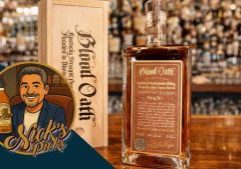
You’ve almost certainly had MGP whiskey, even if you didn’t know it. Brands like Templeton Rye, George Dickel Rye, Smooth Ambler, and parts of the High West lineup have all used MGP stock.
Why Sourcing Isn’t a Shortcut
Here’s what the skeptics miss. Distilling is only one part of what makes a great whiskey. What happens after matters just as much.
Barrel selection is an art. Two barrels filled with the same whiskey on the same day can taste completely different years later, depending on where they aged in the warehouse. Picking the great ones takes skill and a lot of tasting.
Blending is where brands really put their stamp on a product. Combining different barrels, ages, and mashbills to hit a specific flavor profile is a craft of its own.
Proofing and finishing decisions shape the final product, too. When to bottle, at what proof, and whether to finish in a secondary cask are all choices that separate a good whiskey from a great one.
A brand that sources smartly and blends well can put out something every bit as special as a distillery bottling its own juice.
A Great Example
Our Penelope 18 Year American Light Whiskey review is a perfect case. The whiskey was distilled at Ross & Squibb, but Penelope is the brand that found these barrels, recognized what they had, and brought them to market at 140.2 proof.
The result earned a 92/100 from us. That’s not a knock on sourcing. That’s sourcing done right.
Transparency Matters
Where sourcing does deserve criticism is when brands hide it. Invented backstories, fake founding dates, and vague “small batch” claims that obscure where the whiskey came from are fair game for skepticism.
The good news is that more brands are being upfront about it. Many now list the distillery right on the label or on their website. When a brand is honest about where its whiskey came from, it’s a good sign they’re proud of what they did with it.
The Bottom Line
Judge the whiskey in the glass, not the name on the building. Some of the best pours you’ll ever have were distilled by one team and perfected by another. Sourced isn’t a dirty word. It’s just part of how whiskey gets made.