You pour a glass of barrel proof bourbon, take your first sip, and it’s like getting punched in the tongue. All heat, no flavor. It’s easy to write that bottle off right there.
Don’t. More often than not, the problem isn’t the bourbon. It’s the timing.
We saw this firsthand in our Stagg 24C review. The first sip was way too hot. Ten minutes later, it was a completely different pour, full of cherry cola, cinnamon red hots, leather, and tobacco. Same bottle, same glass. The only thing that changed was time.
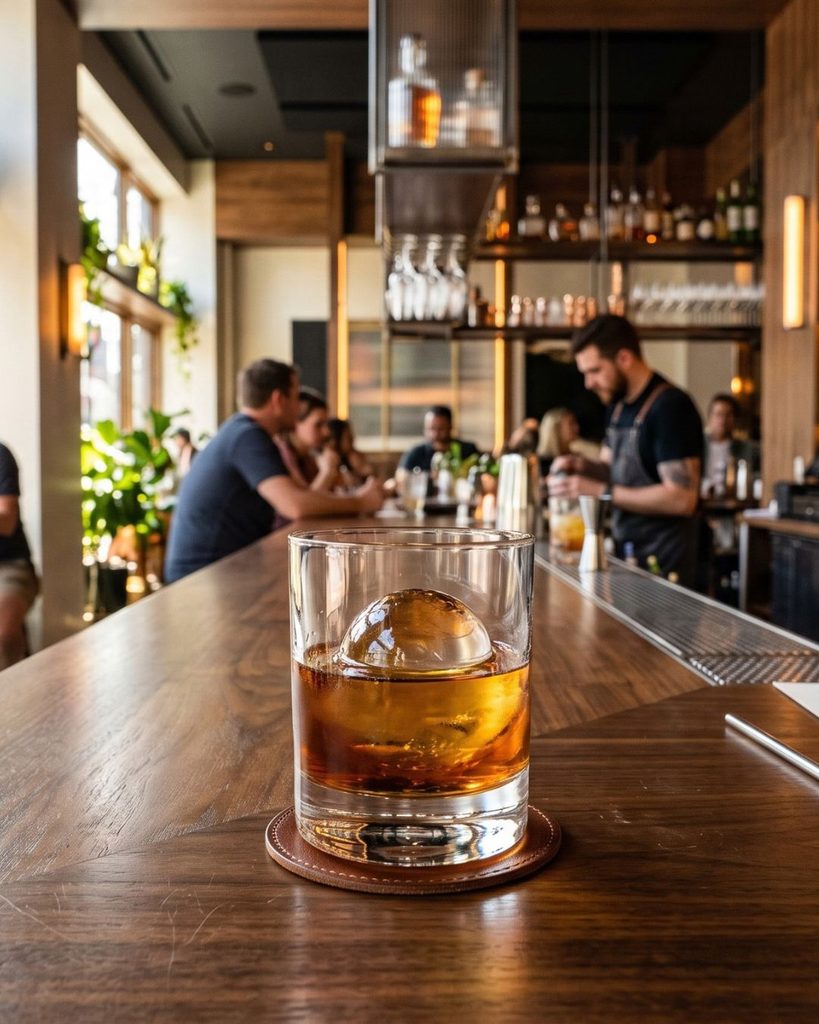
What Happens When Bourbon Sits
When you first pour a bourbon, the most volatile compounds hit your nose all at once, and ethanol leads the charge. That sharp, prickly burn you feel in your nose and throat masks a lot of the flavor sitting underneath.
As the glass rests, some of that ethanol vapor dissipates, and the bourbon has a chance to interact with the air. The aromas start to separate and settle, and the notes that were buried under the heat begin to show up. Think of it like letting a crowded room clear out so you can actually hear the conversation.
How Long Should You Wait?
There’s no perfect number, but here’s a good rule of thumb:
- Under 100 proof: A minute or two is usually plenty.
- 100 to 115 proof: Give it around five minutes.
- 115 proof and up: Ten minutes or more can make a big difference.
Older bourbons can also benefit from a little extra time, even at lower proofs. A lot of complexity gets locked up in a well-aged pour, and it takes a few minutes to open up.
The Case for a Few Drops of Water
If you don’t feel like waiting, water is your shortcut. And no, it’s not cheating.
Research on whiskey chemistry has shown that adding a small amount of water can push certain flavor compounds toward the surface of the glass, right where your nose picks them up. In plain terms, a little water can actually make a bourbon taste more like itself.
The key word is little. Start with a few drops, swirl, and taste again. You can always add more, but you can’t take it back out. A straw or dropper gives you a lot more control than pouring from a glass.
Tips for Getting the Most Out of Your Pour
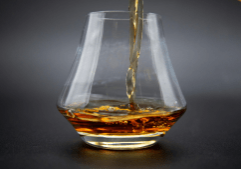
Use the right glass. A Glencairn or other tulip-shaped glass concentrates the aromas, while a wide rocks glass lets them escape. For tasting, the shape matters.
Nose it gently. Don’t bury your nose in the glass. Hold it a little below your chin, open your mouth slightly, and breathe in slowly. You’ll get far more aroma and far less burn.
Try the Kentucky chew. On your first sip, move the bourbon around your mouth for a few seconds before swallowing. It primes your palate for the heat, so your second sip reveals a lot more flavor.
Come back to it. Some of the best notes show up in the last third of the glass. A pour that’s been sitting for 20 minutes can taste completely different from the first sip.
Which Bottles Benefit Most?
Barrel proof and high-proof bottles get the biggest boost. Our Stagg 24C review is the perfect example. On the other end of the scale, our Penelope 18 Year American Light Whiskey was shockingly mellow for a 140.2 proof pour, but even that one opened up its stone fruit and red fruit notes with a few drops of water.
Lower-proof bottles like Weller 12 don’t need as much help, and adding water to a 90 proof bourbon can thin it out even more. With those, a minute or two of rest is all you need.
The Bottom Line
Bourbon rewards patience. Before you judge a bottle on that first fiery sip, set the glass down, give it some air, and come back to it. You might find that the bourbon you almost gave up on becomes one of your favorites.
Title: Wheated vs. High-Rye: Finding the Bourbon Style That Fits Your Palate
Meta description: Why do some bourbons taste soft and sweet while others bring the spice? It comes down to the mashbill. Here’s how to find the style you like best.
Ever wonder why one bourbon tastes like caramel and baked bread while another hits you with pepper and cinnamon? A lot of it comes down to one thing: the mashbill.
Once you understand the difference between wheated and high-rye bourbon, shopping gets a whole lot easier. You’ll know what to reach for, what to skip, and why you love the bottles you already do.
Mashbill 101
A mashbill is simply the recipe of grains used to make a whiskey. By law, bourbon has to be at least 51% corn. Corn is where a lot of bourbon’s natural sweetness comes from.
Most bourbons also include a bit of malted barley, which helps with fermentation. The rest of the recipe is the secondary grain, sometimes called the “flavoring grain.” That’s where things get interesting, because it’s usually either rye or wheat, and each one takes the bourbon in a very different direction.
Wheated Bourbon: Soft and Sweet
In a wheated bourbon, wheat replaces rye as the secondary grain. The result tends to be softer, rounder, and sweeter. Think caramel, vanilla, honey, baked bread, and dried fruit.
Wheaters often have a gentler mouthfeel and less of a spicy kick, which makes them a great starting point for newer drinkers. They’re also the style behind some of the most hunted bottles in bourbon.
Popular wheated bourbons include:
- Maker’s Mark
- Larceny
- The Weller lineup
- Old Fitzgerald
- Pappy Van Winkle
In our Weller 12 Year review, you can see that wheated profile on full display: cherry, brown sugar, caramel, and a buttery smooth finish.
High-Rye Bourbon: Bold and Spicy
On the other side, high-rye bourbons lean into rye as the secondary grain, often in larger amounts. Rye brings spice. Expect black pepper, cinnamon, clove, mint, and sometimes herbal or earthy notes.
High-rye bourbons tend to feel bolder and more assertive. They stand up well in cocktails, and they’re a great fit if you like a little bite.
Popular high-rye bourbons include:
- Four Roses
- Old Grand-Dad
- Bulleit
- Basil Hayden
Where Does Rye Whiskey Fit In?
Rye whiskey is its own category. Instead of corn, rye has to make up at least 51% of the mashbill. That usually means even more spice.
But not every rye is a spice bomb. Our Old Forester Single Barrel Rye Barrel Proof review is a great example. With 65% rye and a hefty 20% malted barley, it lands on the sweeter side, with big toffee, cherry, and vanilla notes alongside the rye spice. It’s a good reminder that the full mashbill matters, not just the headline grain.
Which Style Is Right for You?
Here’s a simple way to figure out where you land:
You’ll probably prefer wheated bourbon if you like:
- Sweeter, dessert-like flavors
- A softer, smoother sip
- Sipping neat without much burn
You’ll probably prefer high-rye bourbon if you like:
- Bold spice and a little heat
- Bourbon in cocktails like Old Fashioneds and Manhattans
- More complex, layered flavors
If You Like This, Try That
- If you like Maker’s Mark, try Larceny or Weller Special Reserve.
- If you like Bulleit, try Four Roses Single Barrel or Old Grand-Dad Bonded.
- If you like Weller but want more depth, try a higher-proof wheater like Weller Antique 107 or Larceny Barrel Proof.
- If you like high-rye bourbon and want to go further, try a rye whiskey.
The Best Way to Learn
Reading about it only goes so far. The best way to figure out your palate is to taste side by side. Grab one wheated and one high-rye bourbon at a similar proof, pour them next to each other, and see what jumps out. You’ll learn more in one evening than in a month of reading labels.